
Commercial Roofing · Ellenton, Bradenton, Sarasota
Map the Wet Insulation. Coat the Roof. Dry What’s Underneath.
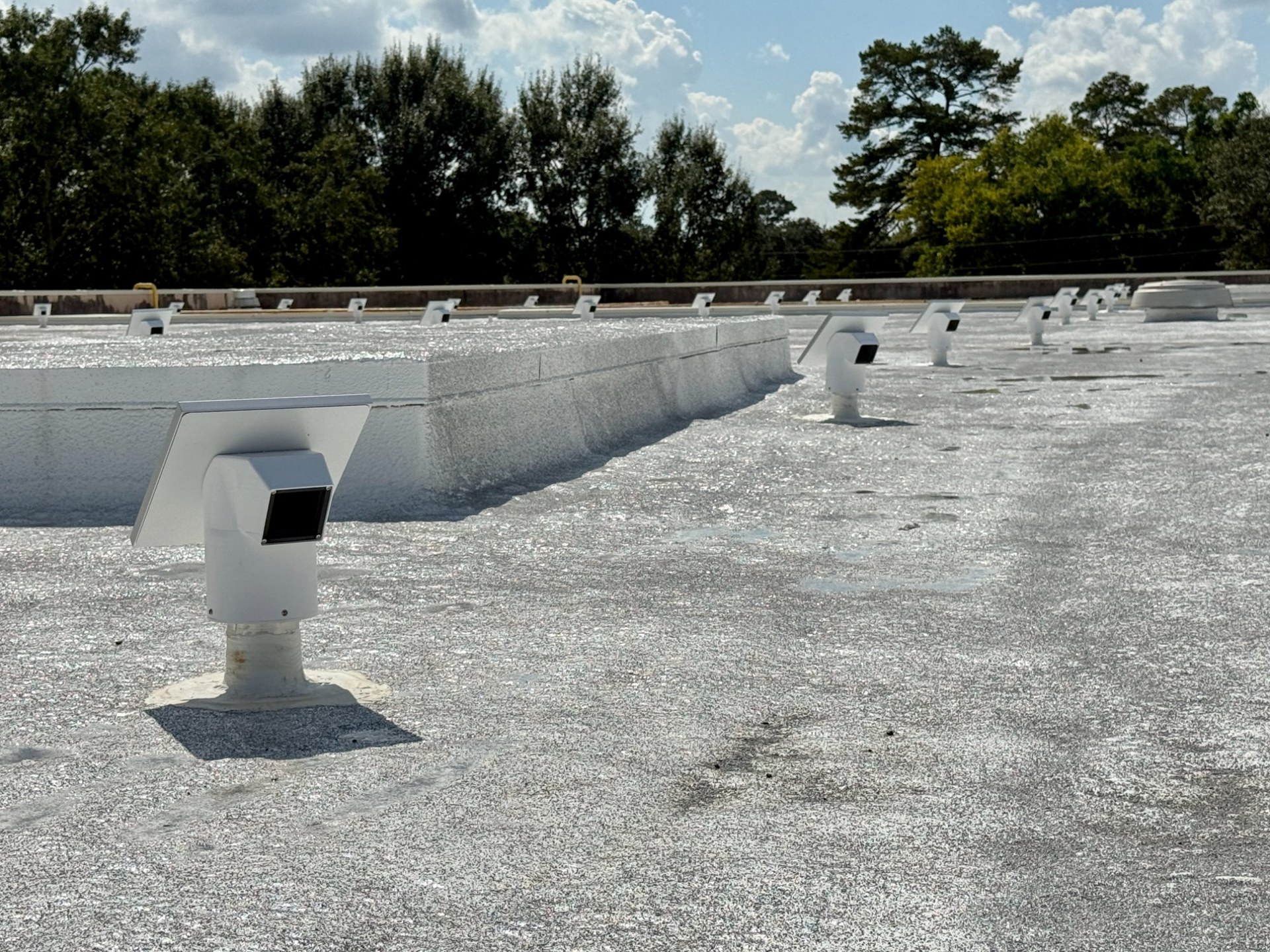
Coating manufacturers require a path to a dry substrate. Tear-off is not the only way to get one. Nova Construction and Roofing uses ReDry Roof MRI instrumentation to map trapped moisture, then applies American WeatherStar Ure-A-Sil and installs ReDry solar-powered two-way vents during the coating. The new roofing system is already in place. The vents extract moisture from the insulation under that coating. Post-scan data confirms the assembly has dried.
The sequence Nova runs on a coating candidate
Warehouses · Retail · Offices · Industrial · Tampa Bay
01 · Scan
Roof MRI moisture mapping
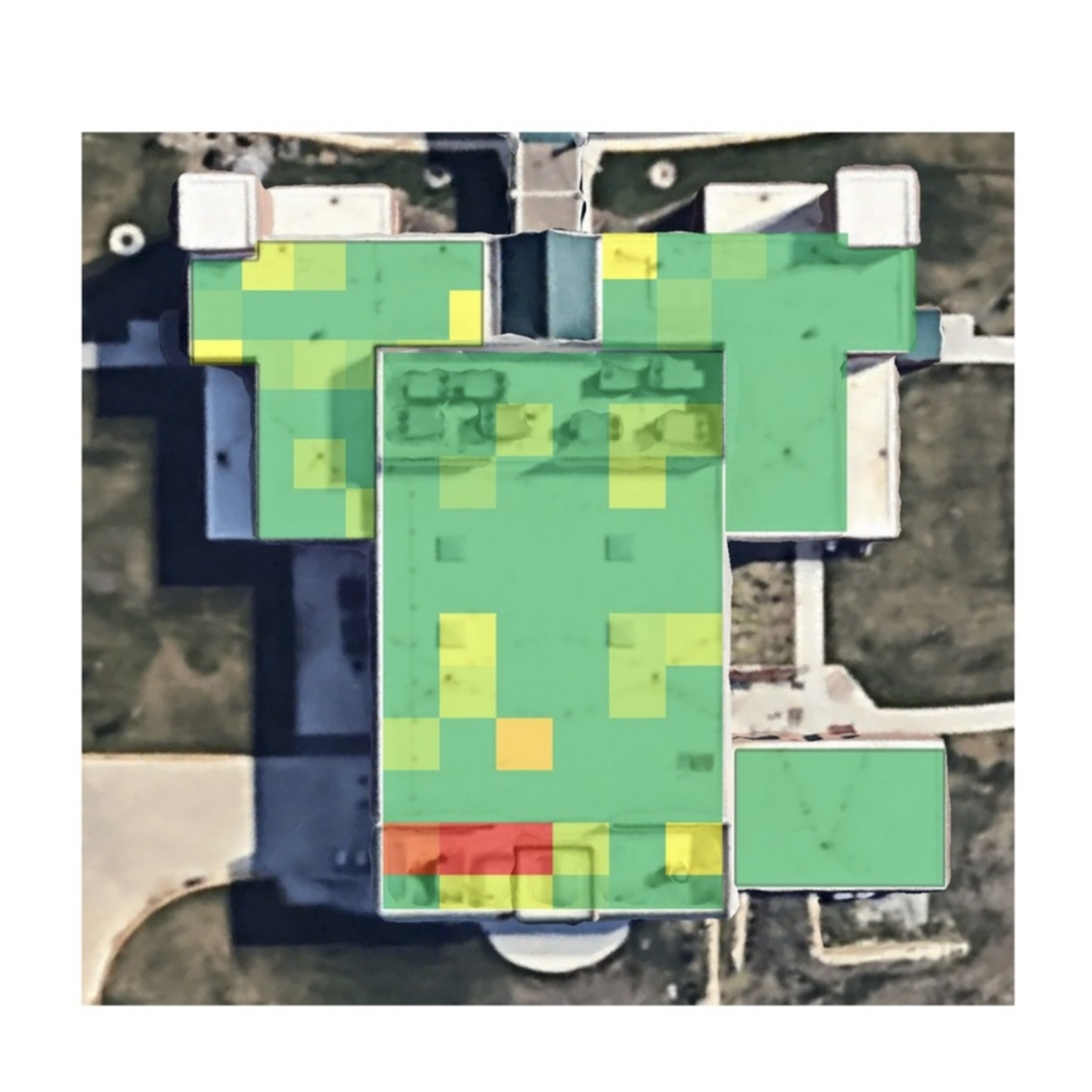
A full-surface scan produces a color-coded moisture grid with PHD Scale readings — Precise Hydrology Detection, calibrated to the roof. That map decides whether the roof can stay and exactly where vents belong. No core cuts to find the problem.
02 · Qualify
Not every wet roof qualifies
Membrane, insulation, deck, and saturation are reviewed against the map. In-place dry-out is for roofs that can stay. If the assembly is past that point, we say so before anyone spends money on coating or vents.
03 · Coat + vent
New system goes on first
American WeatherStar Ure-A-Sil is applied over the existing assembly. ReDry solar two-way vents are installed during that coating — only on the wet zones the map identified. The building gets a new roofing system immediately. Dry-out starts underneath it.
04 · Dry + verify
Insulation dries under the coating
Solar power drives extraction through the vents. Moisture leaves the insulation under the new system. Mid-project and post-scans must show declining, then dry-condition PHD readings. Owners, insurers, and the coating manufacturer get the same file.
What the Roof MRI report gives you
A full-surface moisture map — not a sample and not an estimate. PHD Scale classification of insulation condition. Pre-coating, mid-dry-out, and post-remediation grids. Readings any qualified operator can repeat. Documentation owners, insurers, and manufacturers can review.
This is different from a nighttime infrared scan. Infrared is useful for spotting temperature anomalies. Roof MRI is the instrument Nova uses to place vents correctly when the new coating goes down over wet insulation that will be dried in place.
Why this beats a tear-off
Traditional wet-insulation repair means tearing the membrane, disposing of insulation, and buying new board — often $6–12+ per square foot and weeks of disruption. ReDry extracts moisture after the new coating is on, so the existing insulation can stay. The building stays open.
Map first
You see exactly which squares are wet before the coating and vents go down. No guessing from a few core samples.
Coat now, dry underneath
Ure-A-Sil and the ReDry vents go on together. The new roofing system is in service while solar vents pull moisture from the wet insulation under it.
Verify the dry-out
Post-scan PHD readings go in the file after the insulation under the coating has dried. That is the record manufacturers, owners, and insurers can review.
How ReDry works
Official explainer from ReDry Vent Systems — map the roof, install vents with the new system, dry the insulation underneath, verify the readings.
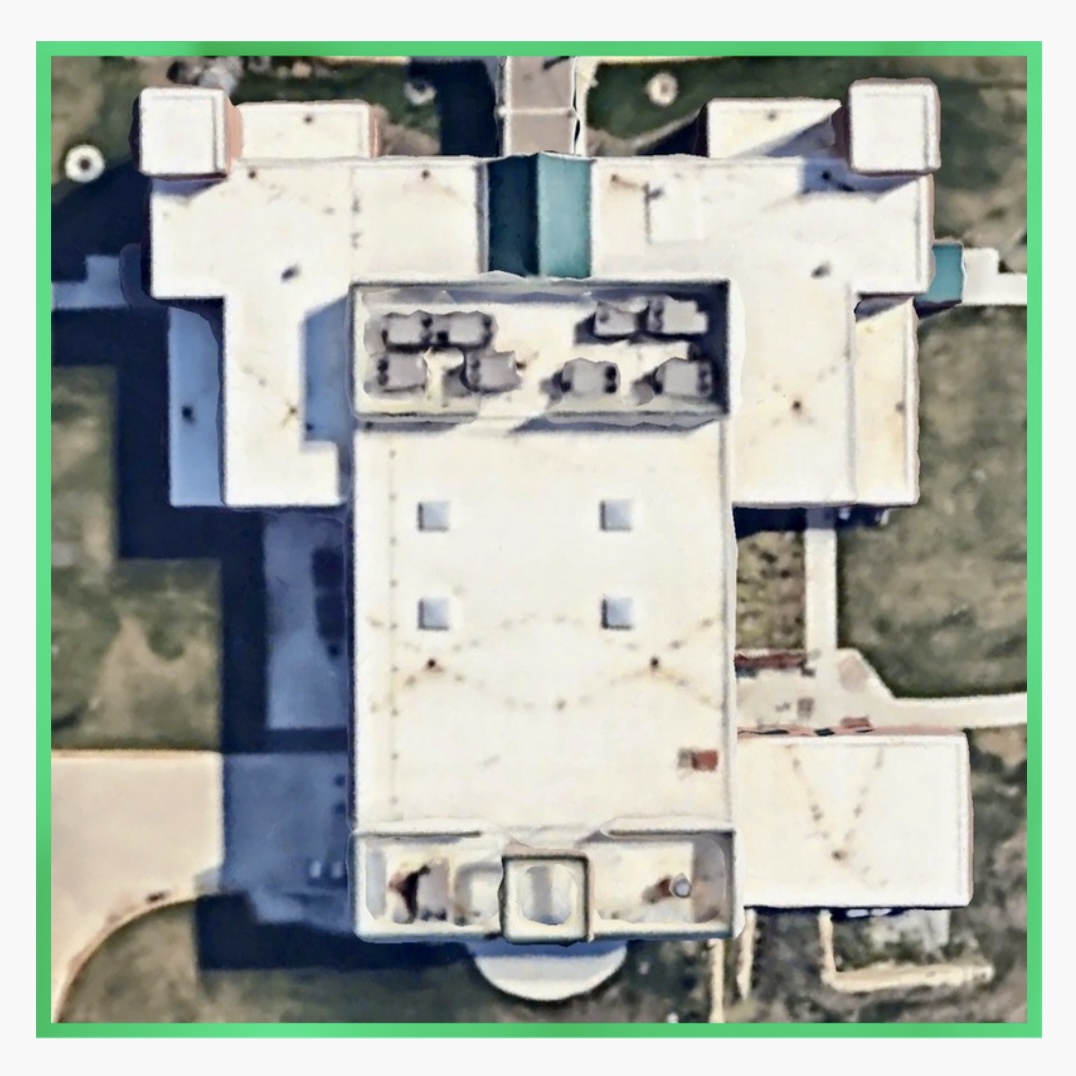
American WeatherStar Ure-A-Sil — the system that goes on with the vents
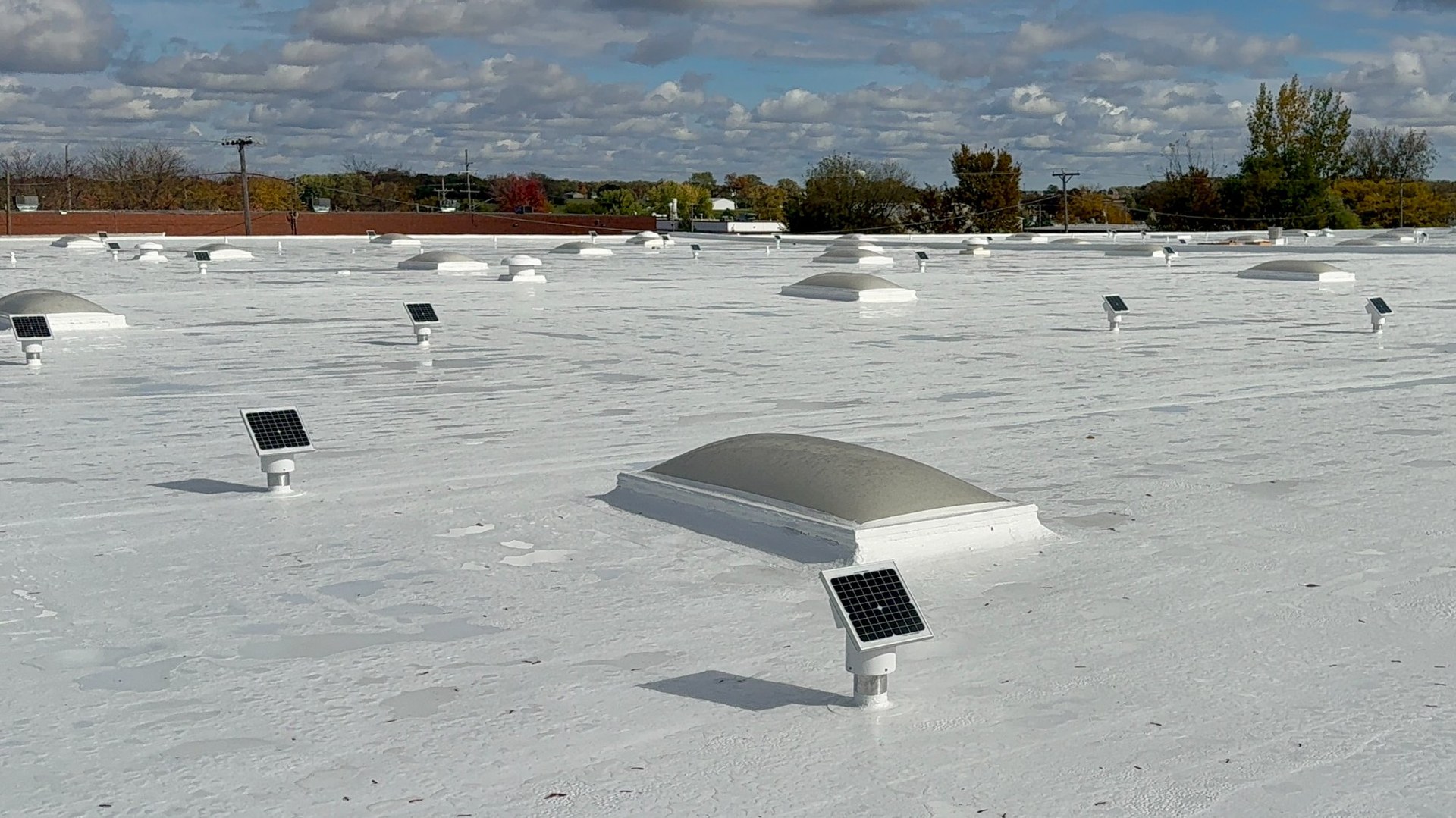
Specified for existing single-ply (TPO, EPDM, PVC). Compatible assemblies also include mod-bit and BUR. Seams and penetrations are detailed with Urethane Brush-Grade 522. Each coat is checked for wet and dry mil thickness. ReDry vents are set during this application so the insulation under the new coating can dry in place. American WeatherStar lists ReDry among coating-compatible dry-substrate paths.
12-year build
25 mil · Urethane + silicone
15-year build
30 mil · Heavier urethane base
20-year build
35 mil · Three-coat system
Core products: Aromatic Urethane 520 / 508 base · Silicone 410 or High Solids Silicone 412 top coat · Urethane Brush-Grade 522 at seams and penetrations. Silicone 410: 318% elongation, 500 psi tensile, 69% solids. High Solids Silicone 412: 92% solids. Ponding is not excluded from the Ure-A-Sil warranty when installed by an approved contractor to manufacturer guidelines.
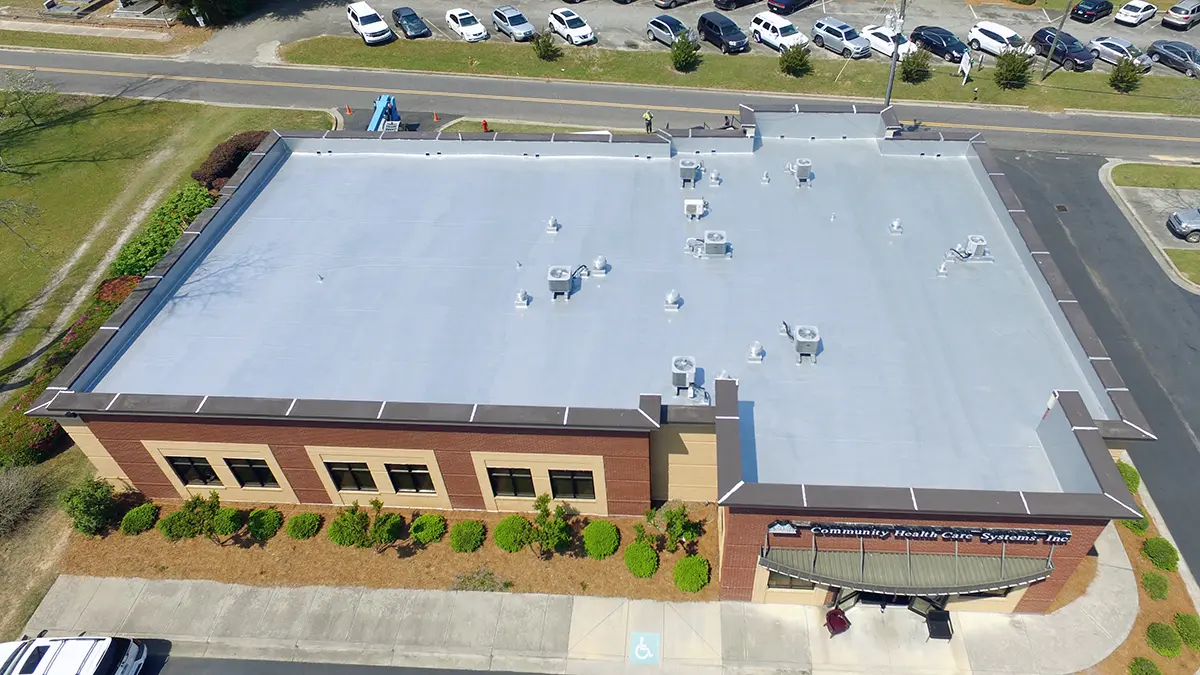
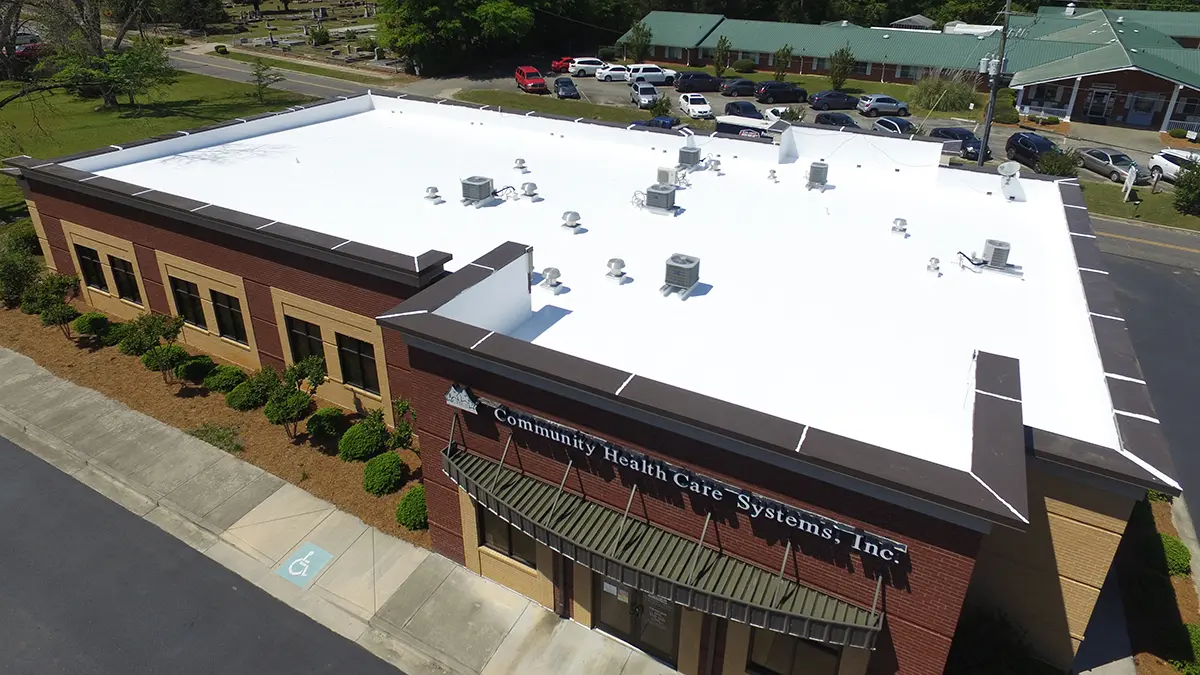
How the coating goes down
Official American WeatherStar system video: pressure wash, detail with Brush-Grade 522, urethane base, silicone top coat. On Nova jobs, ReDry vents are set into this system on the mapped wet zones so dry-out can run under the finished coating.
Assemblies ReDry can address
Membranes: PVC, TPO, EPDM, mod-bit, BUR. Insulation: polyiso, EPS, wood fiber, composite. Decks: metal and concrete. Not every wet roof qualifies — the pre-scan decides.
Schedule a commercial moisture scan
Warehouses, retail, offices, and industrial buildings across Ellenton, Bradenton, Sarasota, and greater Tampa Bay.
Call 941-462-4026
1202 Gary Ave, Suite 5, Ellenton, FL 34222
ReDry technology partner: re-dry.com · Coating system: American WeatherStar Ure-A-Sil